

What to Expect During Suboxone Treatment for Opioid Dependence
During Suboxone treatment at MedSave Clinic in Columbus, OH, Dr. Randall Colucci, MS, MPH, DO, will work closely with you to monitor your progress, adjust dosages, and address any concerns. Patients can expect to experience relief from cravings and withdrawal symptoms, enabling them to focus on therapy and long-term recovery. Regular check-ins and counseling sessions are an important part of this process. For more information, contact us or schedule an appointment today. We are conveniently located at 246 E Campus View Blvd, Columbus, OH 43235.
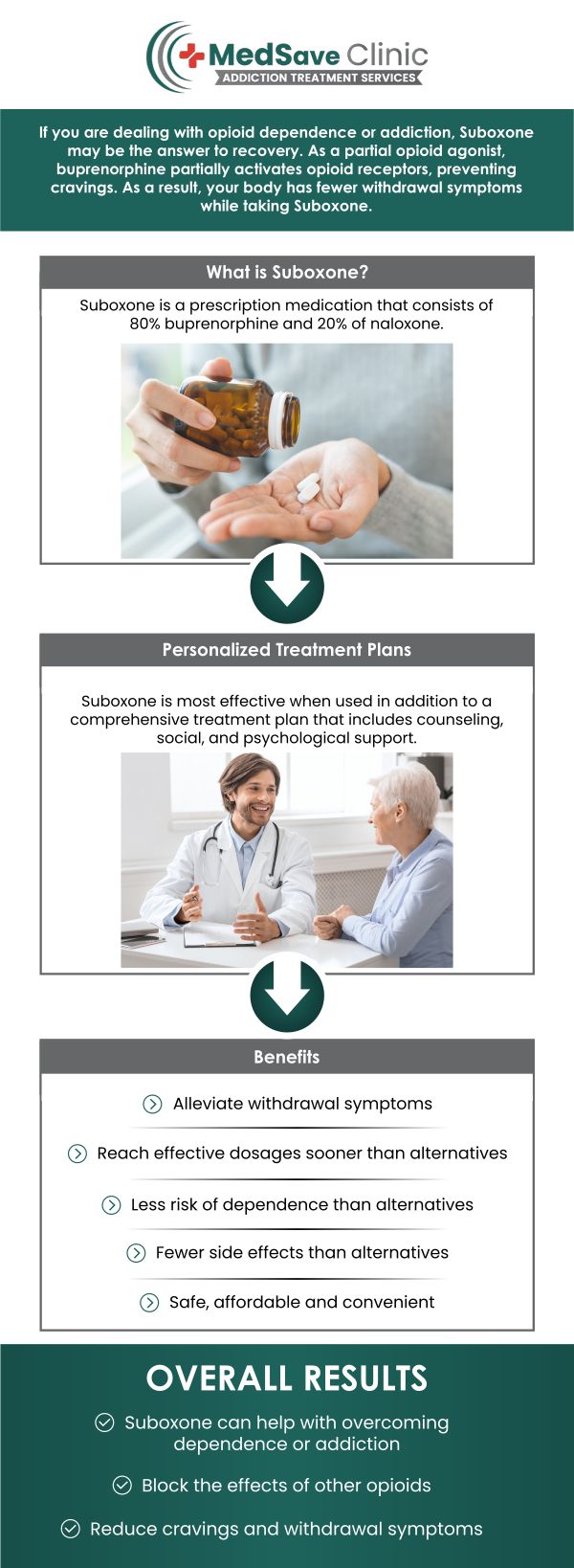
Table of Contents:
What should I expect during Suboxone treatment for opioid dependence?
What happens at the first Suboxone treatment appointment?
When can Suboxone treatment usually begin?
What symptoms are monitored during Suboxone treatment?
How often are follow‑up visits needed during Suboxone treatment?
How Does MedSave Clinic Guide Patients Through Suboxone Treatment for Opioid Dependence?
Suboxone treatment is a medically supervised program designed to help people manage opioid dependence safely and effectively. Unlike simply stopping opioid use “cold turkey,” Suboxone provides stabilization, reduces cravings, and makes it possible to focus on broader recovery goals.
When you begin Suboxone treatment, you can expect a holistic, step‑by‑step approach that includes:
• A comprehensive medical assessment
• A personalized induction and stabilization plan
• Ongoing clinical monitoring
• Behavioral and counseling support
• Regular follow‑up and adjustments
Suboxone itself helps reduce withdrawal symptoms and cravings by partially activating the same brain receptors that full opioids once stimulated, but without producing intense euphoria. This allows you to regain control over your daily functioning and work toward lasting recovery.
Throughout your treatment, our goal is to support both your physical stabilization and your emotional well‑being.
Your first Suboxone appointment is an important step and typically includes the following components:
1. Comprehensive Evaluation
We begin by reviewing your medical history, substance use history, current medications, and overall health status. This helps us determine whether Suboxone is appropriate for you and to identify any co‑occurring health concerns.
2. Assessment of Withdrawal Status
Because Suboxone can precipitate withdrawal if opioids are still actively affecting your receptors, you will be evaluated to ensure you are at the appropriate stage of withdrawal before starting your first dose. This often involves clinical signs and patient questionnaires.
3. Education and Consent
We explain how Suboxone works, potential side effects, what to expect, and your role in treatment. You’ll have the opportunity to ask questions before we proceed.
4. First Dose (Induction)
Once you’re appropriately prepared, your first dose of Suboxone is administered in a controlled setting. We monitor you closely during this initial phase to ensure comfort and safety.
5. Immediate Monitoring
After the first dose, we observe you for withdrawal symptoms and make adjustments if necessary.
Our first appointment is focused on stabilization and safety, creating a foundation for successful longer‑term treatment.
Timing is critical when starting Suboxone. The medication should be initiated when you are already experiencing mild to moderate withdrawal symptoms, which means opioids are not actively occupying the brain receptors Suboxone targets.
In practical terms:
• If you’re coming off short‑acting opioids (e.g., oxycodone, hydrocodone), treatment may begin 6–12 hours after your last use.
• If you’re using long‑acting opioids (like methadone or extended‑release formulations), you may need to wait 24–48 hours or longer.
The goal is to start Suboxone at the right moment to avoid precipitated withdrawal—a sudden onset of withdrawal symptoms caused when Suboxone displaces full opioids from receptors too early.
Our team at MedSave Clinic will guide you on the ideal timing and support you through this induction process, ensuring safety and minimizing discomfort.
Once you begin Suboxone, we monitor several key indicators to ensure the medication is working effectively and safely:
1. Cravings
We track your level of opioid craving over time to see how well Suboxone is helping reduce those urges.
2. Withdrawal Symptoms
We assess how well Suboxone is managing physical withdrawal signs, such as:
• Restlessness
• Muscle aches
• Anxiety
• Sweating
• Sleep disturbances
3. Side Effects
While generally well tolerated, Suboxone can cause side effects such as nausea, constipation, headache, or sleep changes. We monitor these and make adjustments as needed.
4. Functional Status
We check on how well you’re functioning in daily life—at home, work, school, and in relationships—as a key indicator of recovery progress.
5. Mental Health Symptoms
Because mood, anxiety, and stress can impact recovery, we monitor psychological well‑being and refer for counseling when beneficial.
6. Medication Adherence
It’s important that Suboxone is used as prescribed. We support you in staying on track and adjusting dosing when needed for optimal results.
Monitoring helps us tailor treatment to your evolving needs and ensures you remain safe and supported throughout your recovery journey.
Follow‑up visits are an essential part of successful Suboxone treatment. They allow us to monitor your progress, manage side effects, and make dose adjustments.
While plans may vary, typical follow‑up patterns include:
Weekly or Biweekly at First
In the early stages of treatment (especially during induction and stabilization), we may see you every 1–2 weeks to ensure your dose is effective and comfortable.
Every 3–4 Weeks Once Stable
After stabilization, follow‑up visits may become less frequent — often every 3–4 weeks — while still providing consistent monitoring and support.
Additional Visits as Needed
If new concerns arise — such as increased cravings or medication side effects — we can schedule visits sooner.
Our team uses follow‑up visits to reinforce recovery goals, check in on mental health, and provide ongoing encouragement.
At MedSave Clinic in Columbus, OH, we view Suboxone as one part of a comprehensive, whole‑person approach to recovery. Our focus is not just on medication but on support, education, and continuity of care. Here’s how we guide patients through the treatment process:
1. Personalized Care Planning
We start with a detailed assessment to create a treatment plan that fits your needs, goals, and lifestyle.
2. Clear Education and Guidance
We explain how Suboxone works, why timing matters, and what you can expect at each stage of treatment.
3. Safe Induction and Monitoring
Your first dose and early follow‑ups are conducted with attentive clinical oversight to ensure comfort and safety.
4. Integrated Support Services
Suboxone is most effective when paired with behavioral counseling, support groups, and life‑skills strategies. We help connect you with the right resources.
5. Encouragement and Accountability
We check in regularly to track progress, address challenges, and help you stay motivated in your recovery journey.
6. Adjustments Based on Your Progress
Recovery is dynamic, and we adjust your plan — including your medication dose — as your needs evolve.
7. Long‑Term Relationship
We are committed to supporting you throughout your recovery, not just during the early weeks. Long‑term care includes ongoing monitoring, preventive health care, and support for lasting wellness.
For more information, contact us or schedule an appointment today. We are conveniently located at 246 E Campus View Blvd, Columbus, OH 43235, serving patients from Columbus OH, Flint OH, Galena OH, Powell OH, Westerville OH, and the surrounding areas.
Check Out Our 5 Star Reviews


Additional Services You May Need






 Send Text
 How May I Help You?