
Combining Outpatient Recovery and Medication-Assisted Treatment
At MedSave Clinic in Columbus, OH, Dr. Randall Colucci, MS, MPH, DO, combines outpatient addiction recovery with medication-assisted treatment (MAT) to provide comprehensive care. This approach targets both the physical and psychological aspects of addiction, allowing patients to receive support in a flexible setting while managing withdrawal symptoms and cravings. Our goal is to help you achieve lasting recovery and improve overall health. For more information, contact us or schedule an appointment today. We are conveniently located at 246 E Campus View Blvd, Columbus, OH 43235.
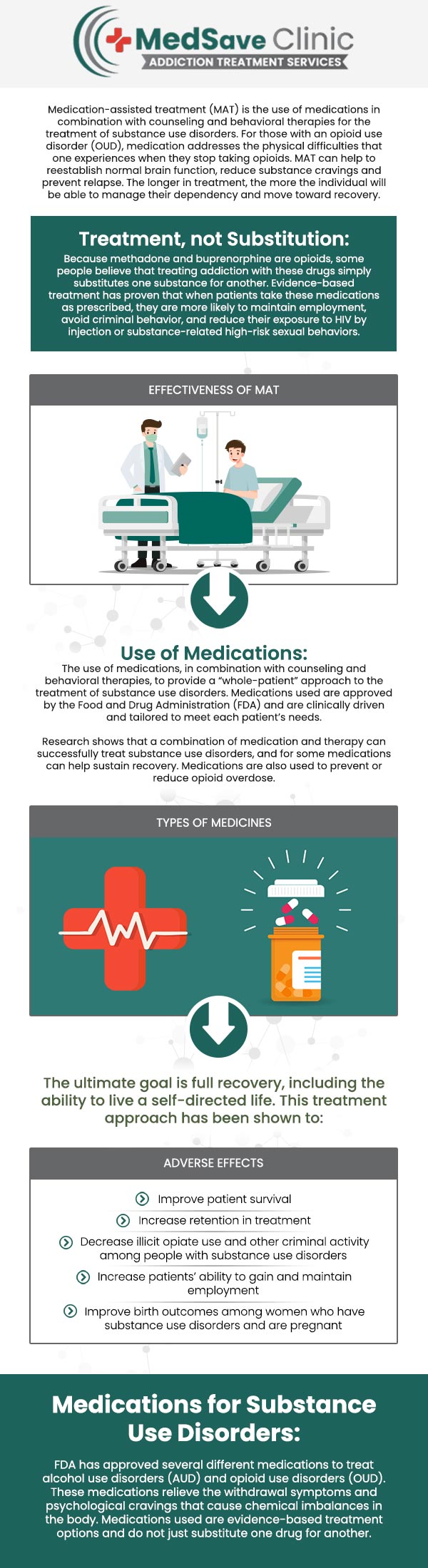
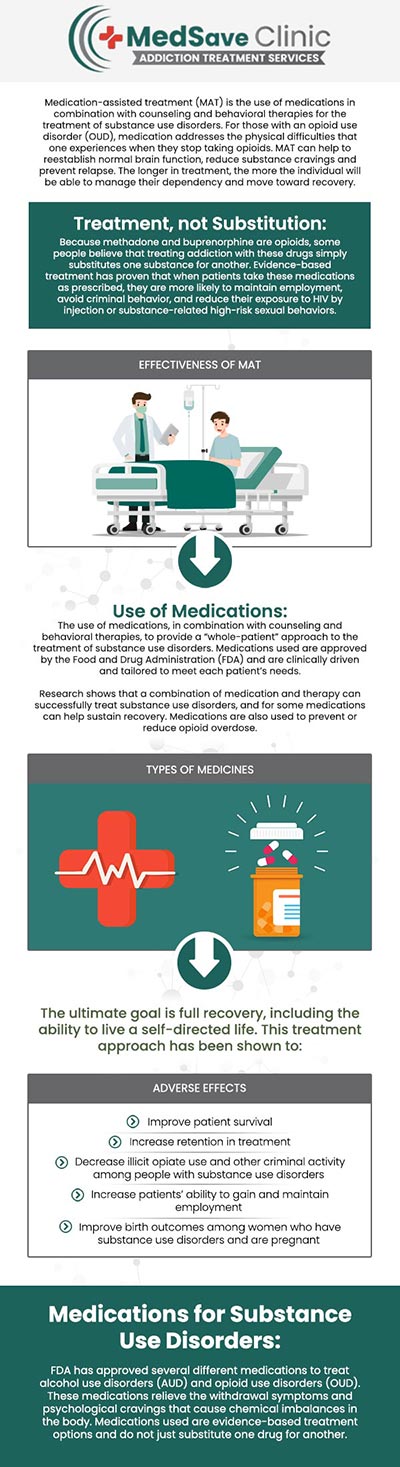
Table of Contents:
What does combining outpatient recovery and medication‑assisted treatment mean?
How does medication‑assisted treatment support outpatient addiction recovery?
Can MAT help reduce cravings during outpatient recovery?
What medications may be used in medication‑assisted treatment?
How Does MedSave Clinic Combine Outpatient Recovery and Medication-Assisted Treatment?
Combining outpatient recovery with medication‑assisted treatment (MAT) means using evidence‑based medications alongside counseling and supportive services in a structured outpatient setting. Outpatient recovery allows you to receive treatment while living at home and maintaining your daily responsibilities—such as work, school, or family care—without staying in a residential facility. MAT enhances this approach by incorporating medications that help stabilize your body and brain chemistry, reduce withdrawal symptoms, and decrease the urge to use substances.
In practice, this combination means you do more than attend appointments and counseling sessions — you also receive medications that support your biological recovery while building behavioral and emotional resilience. This integrated model addresses both the physical and psychological aspects of addiction, offering a comprehensive pathway to sustainable recovery.
Medication‑assisted treatment (MAT) supports outpatient addiction recovery in several important ways:
1. Reducing Physical Symptoms
MAT medications help stabilize brain pathways affected by prolonged substance use. These medications can lessen withdrawal symptoms and discomfort that often lead to relapse.
2. Managing Cravings
By influencing the same receptors in the brain that addictive substances target, MAT helps reduce the intensity and frequency of cravings—making it easier to resist urges in everyday life.
3. Supporting Emotional Stability
When physical symptoms are under control, patients often find it easier to focus on counseling, therapy, and behavior change—all key elements of outpatient recovery.
4. Improving Retention
Patients who use MAT in outpatient programs are more likely to stay engaged in treatment and complete recommended therapy, as medications help make early recovery more manageable.
5. Promoting Long‑Term Recovery
Over time, MAT helps establish stability that supports the development of healthy routines, coping mechanisms, and improved functioning in work, family, and social environments.
Rather than replacing therapy, MAT enhances the effectiveness of outpatient recovery by addressing the physical aspects of dependence and giving patients a stronger foundation on which to build behavioral and psychological change.
Yes — one of the primary benefits of MAT is that it can significantly reduce cravings, which are often a major driver of relapse. Cravings are not simply “willpower challenges”—they are physiological responses rooted in changes to brain chemistry that occur with prolonged substance use.
MAT medications, such as Suboxone (for opioid dependence) or others depending on the substance and diagnosis, interact with neural pathways to
• Dampen intense cravings
• Reduce obsessive thoughts about use
• Decrease the likelihood of relapse
By stabilizing these pathways, patients are better able to stay focused on therapy, life goals, and recovery strategies—rather than being overwhelmed by constant urges. For many people, this reduction in cravings is transformative: it allows them to move from a survival mindset into one focused on growth, healing, and rebuilding.
The medications used in MAT depend on the type of substance dependence being treated. At MedSave Clinic and similar outpatient programs, common MAT medications include:
1. Buprenorphine (often in Suboxone)
Used primarily for opioid dependence, buprenorphine is a partial opioid agonist that reduces cravings and withdrawal without causing the intense euphoria associated with full opioids. Suboxone combines buprenorphine with naloxone, which discourages misuse.
2. Methadone
A long‑acting opioid agonist used in some cases for opioid dependence. It helps regulate brain chemistry and reduce withdrawal but is typically administered in specialized clinics.
3. Naltrexone
Used for both opioid and alcohol dependence, naltrexone blocks opioid receptors and reduces the pleasurable effects of alcohol and opioids. It requires a period of detox before initiation.
4. Acamprosate
Commonly used for alcohol dependence, it helps stabilize chemical signaling in the brain that is disrupted by alcohol use.
5. Disulfiram
Also used for alcohol dependence, it causes unpleasant reactions if alcohol is consumed, creating a deterrent effect.
The choice of medication depends on clinical evaluation, medical history, and individual needs. MedSave Clinic works with each patient to determine the most appropriate medication based on your unique situation.
At MedSave Clinic in Columbus, OH, we integrate outpatient recovery and medication‑assisted treatment in a coordinated, compassionate, and evidence‑based way that prioritizes your long‑term success.
We begin with a thorough assessment that reviews your health history, substance use patterns, previous treatment experiences, and recovery goals. This comprehensive evaluation helps us develop a personalized treatment plan that may include MAT alongside counseling, therapy referrals, and support services.
Our clinicians guide you through every step:
• Safe and Supported Induction: We ensure that medications like Suboxone are started at the right time and under careful supervision to minimize discomfort and maximize effectiveness.
• Ongoing Monitoring: Regular follow‑up visits allow us to assess how well medications are helping, check for side effects, and make adjustments as needed.
• Integrated Support Services: We pair medication with referrals to individual and group therapy, relapse prevention education, and behavioral support to address emotional and psychological aspects of addiction.
• Patient Education: Understanding your treatment increases your confidence and engagement. We take time to explain how MAT works, what to expect, and how medication supports your recovery goals.
• Flexible, Outpatient Delivery: Because treatment is delivered on an outpatient basis, you can continue work, school, family care, and daily routines while receiving high‑quality support.
Rather than isolating medications from the rest of care, we seamlessly weave MAT into a broader recovery plan that helps you build resilience, reduce cravings, and develop the life skills needed for sustainable recovery. Our goal is to support you in achieving not just short‑term stability, but long‑lasting health and well‑being.
Combining outpatient recovery with medication‑assisted treatment is a model rooted in science and compassion. At MedSave Clinic, we use this approach to help individuals achieve meaningful, sustainable recovery without interrupting their lives—providing care that’s both effective and respectful of your personal journey.
If you’re ready to explore outpatient MAT or want to learn how it can fit into your recovery plan, our team is here to help you every step of the way. For more information, contact us or schedule an appointment today. We are conveniently located at 246 E Campus View Blvd, Columbus, OH 43235, serving patients from Columbus OH, Flint OH, Galena OH, Powell OH, Westerville OH, and the surrounding areas.
Check Out Our 5 Star Reviews


Additional Services You May Need





 Send Text
 How May I Help You?