

What Are the Benefits of Suboxone for Opioid Dependence?
At MedSave Clinic in Columbus, OH, Dr. Randall Colucci offers Suboxone as a highly effective treatment for opioid dependence. Suboxone helps reduce withdrawal symptoms and cravings, enabling patients to focus on their recovery. As part of a comprehensive treatment plan, Suboxone is combined with counseling and support to address both the physical and emotional aspects of addiction. For more information, contact us or schedule an appointment today. We are conveniently located at 246 E Campus View Blvd, Columbus, OH 43235.
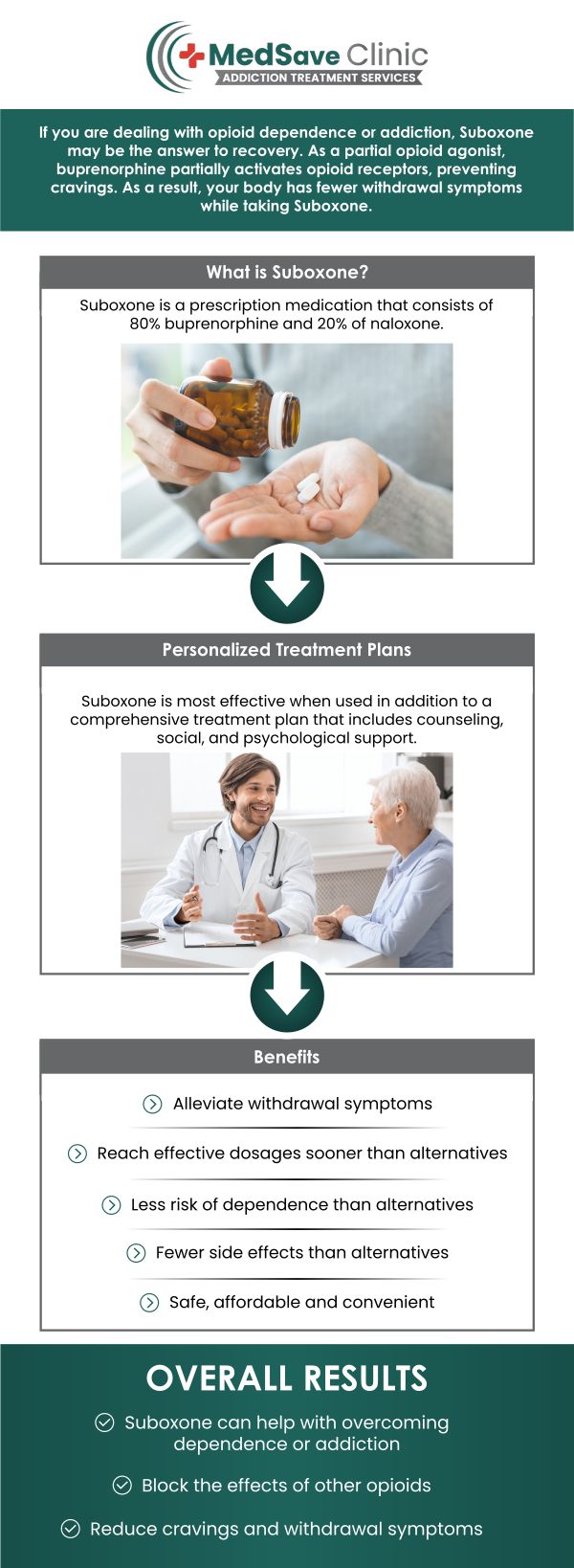
Table of Contents:
How does Suboxone help reduce opioid cravings?
Can Suboxone help manage withdrawal symptoms?
How does Suboxone support long‑term recovery from opioid dependence?
Is Suboxone used as part of medication‑assisted treatment (MAT)?
How Does MedSave Clinic Help Patients Understand the Benefits of Suboxone for Opioid Dependence?
Suboxone is a medication commonly used to treat opioid dependence, and one of its most important effects is reducing cravings for opioids. Suboxone combines two active ingredients:
• Buprenorphine – a partial opioid agonist
• Naloxone – an opioid blocker
Buprenorphine works by binding to the same receptors in the brain that full opioids (like heroin, fentanyl, or oxycodone) bind to, but it does so without producing the same intense high. Because it activates the receptor just enough, it helps satisfy the brain’s craving for opioids without reinforcing drug‑seeking behavior.
By occupying these receptors, buprenorphine effectively “fills the space” that would normally be taken by other opioids, which dampens the urge to use and helps stabilize mood and behavior. This makes it easier for patients to focus on recovery and reduces the cycle of compulsive drug use.
Naloxone is included in Suboxone to discourage misuse. If Suboxone is taken as prescribed (sublingually), naloxone has minimal effect. But if someone tries to misuse it intravenously, naloxone can block opioid effects and help prevent abuse.
One of the key benefits of Suboxone is its ability to help manage withdrawal symptoms. When someone stops using opioids after dependence has developed, the body reacts with a range of uncomfortable or painful symptoms, such as:
• Anxiety and irritability
• Muscle aches
• Restlessness
• Nausea and vomiting
• Sweating
• Insomnia
• Cravings
Because buprenorphine partially activates opioid receptors, it helps reduce the severity of these symptoms. Suboxone essentially gives the brain enough of a signal to prevent withdrawal distress while not producing the euphoric high associated with full‑strength opioids.
This effect helps patients begin recovery without having to endure the intense physical discomfort that often leads to relapse. For many people, the ability to avoid severe withdrawal is a turning point in their treatment, allowing them to focus on therapy, counseling, and long‑term lifestyle changes without the constant distraction of physical withdrawal symptoms.
Suboxone supports long‑term recovery in several important ways:
1. Stabilizing Brain Chemistry
By interacting with opioid receptors in a controlled way, buprenorphine helps stabilize the brain’s reward and stress systems. This reduces both cravings and emotional distress, making it easier for patients to function day‑to‑day.
2. Reducing Relapse Risk
Because Suboxone suppresses withdrawal symptoms and blunts the effect of other opioids, it reduces the power of triggers and cravings that often lead to relapse. This allows patients to stick with their recovery plan longer.
3. Supporting Engagement with Therapy
With physical withdrawal symptoms under control, patients are better able to engage in behavioral therapies, counseling, group support, and lifestyle changes that build resilience, coping skills, and emotional stability.
4. Improving Quality of Life
Long‑term use of Suboxone as part of a comprehensive treatment plan helps patients regain stability — improving relationships, employment outcomes, social functioning, and overall well‑being.
5. Lowering Overdose Risk
Because Suboxone blocks the effect of stronger opioids at the receptor level, it reduces the risk of accidental overdose if someone uses opioids while on the medication.
For many patients, this combination of biological support and psychosocial recovery tools creates a foundation for sustained progress and reduced risk of relapse long into the future.
Yes — Suboxone is a core medication used in Medication‑Assisted Treatment (MAT) for opioid dependence. MAT refers to the use of FDA‑approved medications in combination with counseling and behavioral therapies to treat substance use disorders.
Suboxone is one of the most commonly used MAT medications for opioid dependence, alongside:
• Methadone (a full opioid agonist)
• Naltrexone (an opioid antagonist)
What makes Suboxone particularly suitable for MAT is that:
• It can be prescribed in outpatient settings
• It has a lower risk of respiratory depression than full agonists
• It helps reduce cravings and withdrawal without causing intense euphoria
• It supports long‑term recovery goals when paired with therapy and counseling
MAT is not simply about prescribing medication — it’s about integrating medication with comprehensive care, including:
• Individual and group counseling
• Behavioral therapy
• Relapse prevention planning
• Support services for housing, employment, and mental health
• Ongoing medical monitoring
By combining Suboxone with these supportive services, patients receive whole‑person care that addresses both the biological and psychological aspects of addiction.
At MedSave Clinic in Columbus, OH, we believe that understanding your treatment is an essential part of recovery. When it comes to Suboxone, we help patients learn about its role in recovery and how it can be used safely and effectively as part of a broader treatment plan.
Here’s how we support patients:
1. Personalized Education
We meet with each patient to explain the following:
• What Suboxone is and how it works
• How it affects cravings and withdrawal
• What to expect during treatment
• Potential side effects and how to manage them
• This helps patients make informed decisions about their care.
2. Comprehensive Assessment
Before starting Suboxone, we conduct a full evaluation that considers:
• Medical history
• Substance use history
• Psychiatric and social needs
• This ensures Suboxone is appropriate and tailored to each patient’s situation.
3. Ongoing Monitoring
Once treatment begins, we continue to monitor progress, adjust doses as needed, and address any concerns to ensure both effectiveness and safety.
4. Integration with Counseling
We coordinate Suboxone treatment with therapy and support services so patients receive both medication support and behavioral care—the two pillars of effective recovery.
5. Support for Families
Addiction affects not only the patient but the entire family. We provide education and support to loved ones to help them understand the role of Suboxone and how to support the recovery journey.
6. Encouragement and Follow‑Up
Recovery is not a one-time event—it’s a process. We provide regular follow‑up visits, encouragement, and adjustments based on your goals and progress.
For more information, contact us or schedule an appointment today. We are conveniently located at 246 E Campus View Blvd, Columbus, OH 43235, serving patients from Columbus OH, Flint OH, Galena OH, Powell OH, Westerville OH, and the surrounding areas.
Check Out Our 5 Star Reviews


Additional Services You May Need






 Send Text
 How May I Help You?